

This Ramadan almost the entire automobile category demonstrated an aggressive marketing effort to generate heightened awareness & interest for their new models with fiercely enticing offers. From offering 0% Interest rates & down payment contribution to complimentary insurance or deferred payment plans coupled with warranties and some brands even claiming to offer free lifetime service.
With such great offers and deals, one would possibly assume nothing can go wrong in closing the sale, right?
So, did these campaigns succeed in achieving their goal? If the sole objective of brands was to drive footfall, then looking at the number of people checking out cars after 10pm in these showrooms, my guess would be, these campaigns have done a great job … some better than the others. However, it would be interesting to see the conversion rate between those walking into the showroom and those who actually signed up.
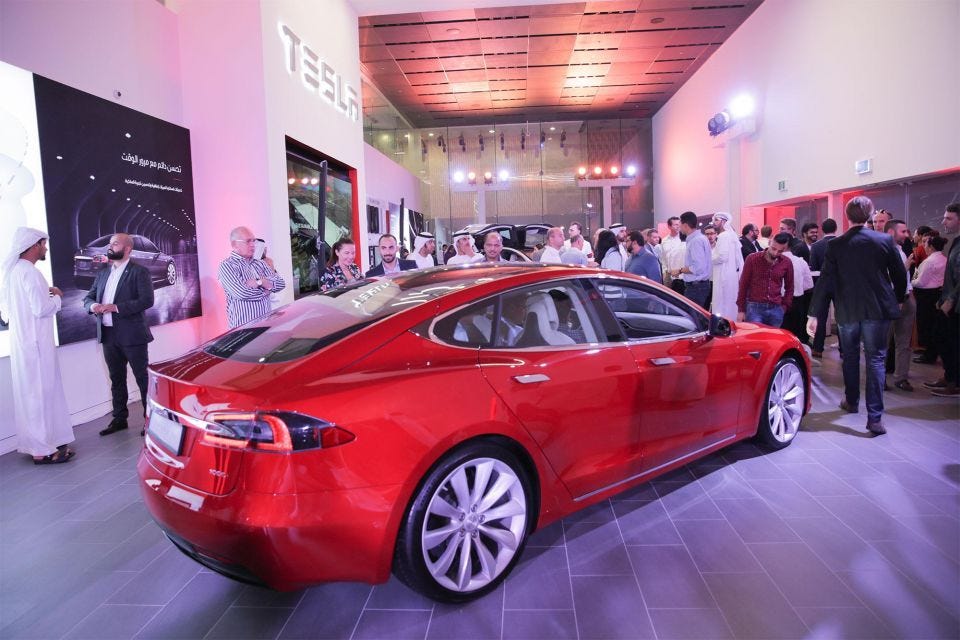
By the absolute number of showroom visitors, one would either assume the buyer sentiment has changed for the better and economy has started to look up … or alternately it’s the sheer marketing genius that have nudged these people to visit showrooms and at least consider exploring these lucrative offers.
Being one of those who was indeed influenced by the latter, I became unusually conscious observing every car brand on the streets, in the parking lots and on the billboards. Chats with friends focussed singularly about the best options & deals out there. Simultaneously explored and researched brands’ online (particularly the ones I had a positive brand affinity with) with a top of mind recall.
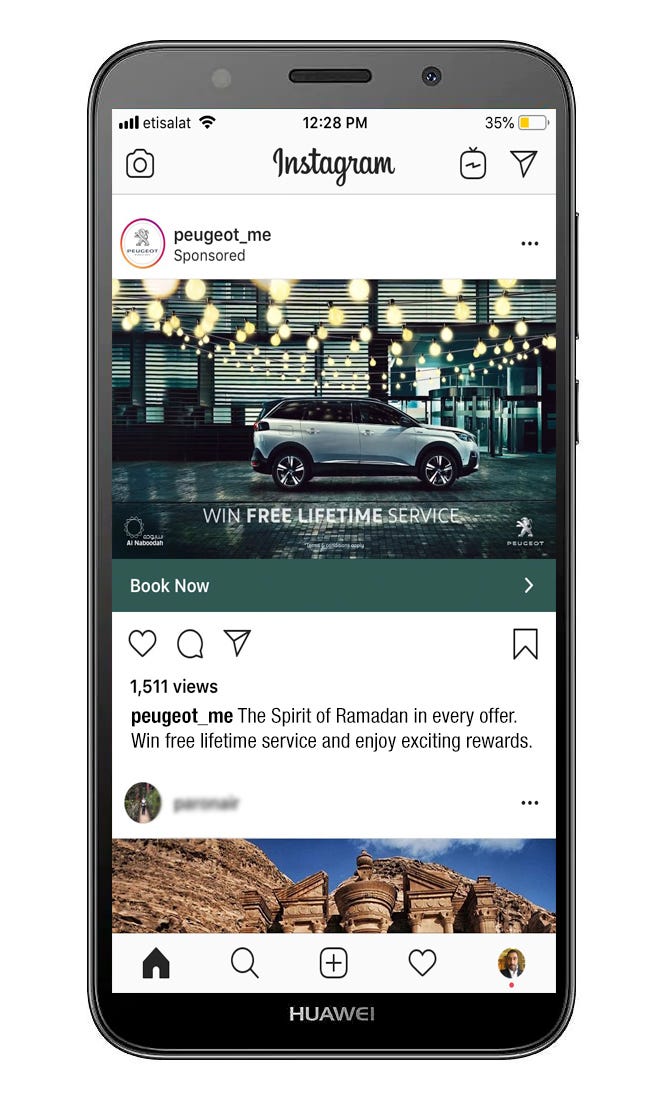
In no time, a few clever brands on Instagram were targeting me with the new models & features, while others detailing out the Ramadan offers with an opportunity to book a test drive.
Clearly it was digital marketing demonstrating what it does best. In one instance, I even received an almost immediate request to chat online (even though it was around midnight) … to acknowledge my submission of inquiry form online.
Overall, each of these actions were checking the box for me in terms of good to great marketing effort, reiterating my belief that conventional linear customer journey was dead! Access to digital devices, particularly the mobile phone, had given me control. I had started to expect answers and responses almost immediately to address my curiosity about the brands and offers. Its these intent-rich moments had started to redefine my journey and of course the traditional marketing funnel.
Anyways, that’s not what this article is really about. It was evident that most marketers were doing a decent job with driving awareness. But clearly there were equally important areas marketers could pay attention to, in order to drive conversions.
At the bare minimum there were several missed opportunities for brands to get potential customers to convert:
Empowering Customer Service: Most of the Customer Service agents who called, did so only to acknowledge receipt of the Inquiry form, with absolutely no or little knowledge of the product or the offers. And ended the call by saying the details would be passed onto the Sales team.
These calls instead could have been easily leveraged to better understand the customer requirement, what are they looking for in a car, do they have any criteria, broad budget, what’s the frame of reference (which other brands are they considering etc) … information that could have been super useful for any Sales Executive to address in the next interaction.
Retaining customers within the portfolio: Despite the aggressively enticing Ramadan offer, when the Sales Exec realized the brand still seemed over-budget, neither of them had the presence of mind or the motivation to sell the Pre-owned car option. At least it would prevent the customer walking out of the showroom and considering alternate brands. If the customer is sold onto the brand already, and pricing is the only impediment, wouldn’t it be worth suggesting the potential buyer to explore the Pre-owned options within that budgeted price band?

Followup call from the Sales team: Almost neither of the brands’ sales teams made any follow up calls
Enabling Test Drive: One Sales team followed up requesting for a preferred date/time for a test drive. However showroom timings during Ramadan seemed challenging: With showrooms open in the morning (during office hours) or post 9pm. Instead of requesting for my office/residence details, and suggesting sending a car over for a Test drive (may be during lunch hours)… perhaps that would have added some more points favorably — instead they stopped following up altogether.
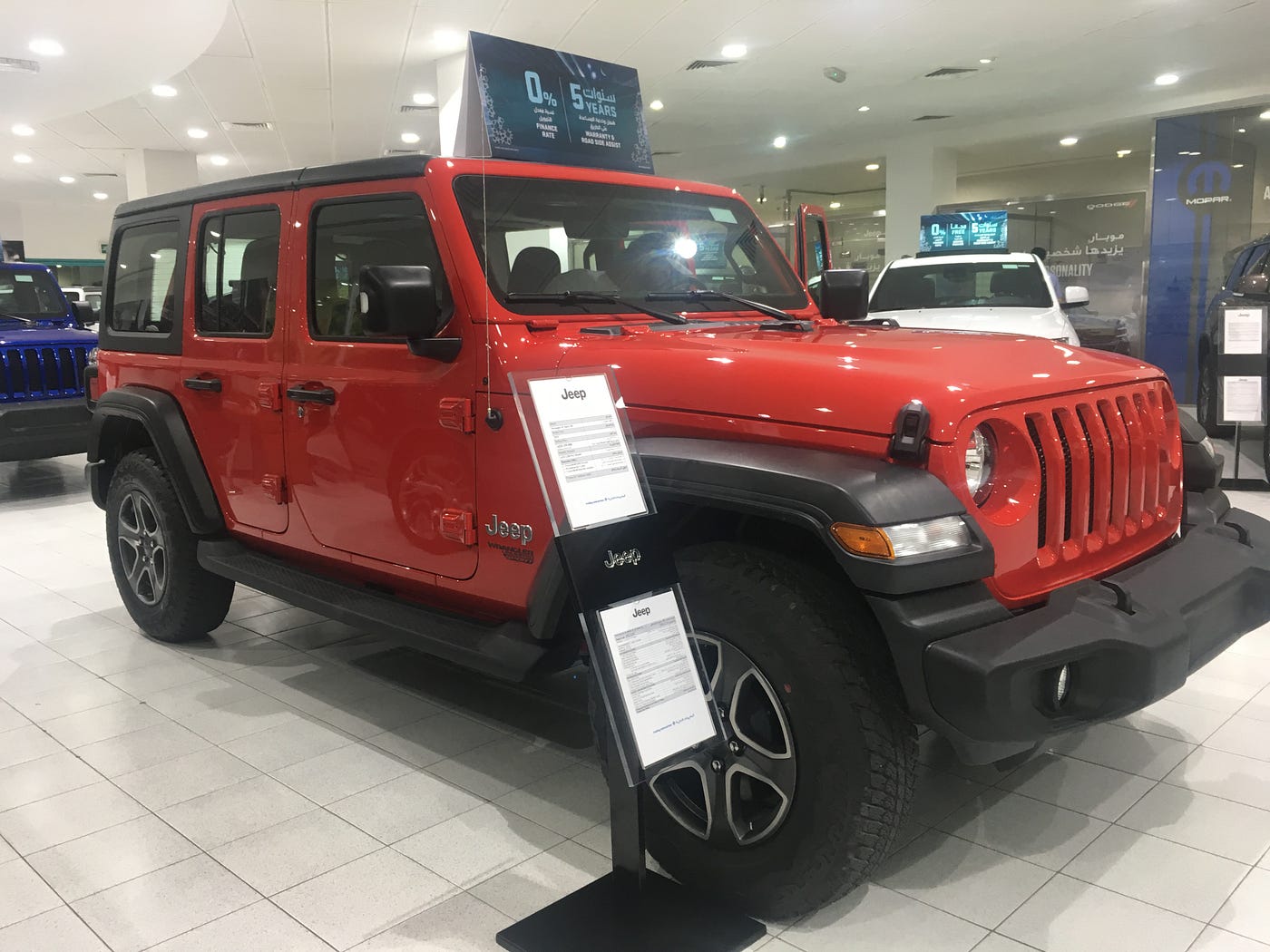
Showroom Experience: With a brand shortlisted in my head, I visited the showroom and test drove my preferred car. But since it was me alone, I needed some validation of my choice prior to booking it, so decided to go back with a friend/children. On my second and third visits, not only was the staff was too busy to attend to me, but also couldn’t offer someone I could do a test drive with, despite having waited for 20min.
In my view, this was the biggest missed opportunity. I was personally pre-sold to this car, and only needed a validation from my friend … and they couldn’t let me test drive the car, thereby losing out on the potential sale!
Sales team interaction: Neither an apology or even a followup call for having walked out of the showroom after 20min
Price Advantage: Brands could have done a better job of listing the offer and illustrating the true benefit of Ramadan promotion. As human beings, we have strong emotional reactions to price signals. Psychologists Daniel Kahneman & Amos Tversky suggest our perception and behavior change which is relative. Framing a price which involves a discount influences our perception of its value. We buy if we perceive the gain (purchasing a new car in this case) outweighs the loss (paying a price of it). A phenomena they explain as a prospect theory. Consumers are known to feel better about handing over money for a discounted item than the same amount for a non-discounted item as evidently proved under the Silvery-lining theory.
In short, brands could have better amplified the value of the savings or packaged their offers better with the Ramadan offer.
Lethargy in advertising communication: Most brands ran the same campaign through Ramadan right upto Eid. Brands could have truly leveraged Pre-Eid period to build a sense of urgency — amplifying the end of discount period, and how the prices would revert back to the original price. Brands could have shifted the reference point so potential customers start to compare Ramadan prices with the higher price in the future. Since some of us are loss-averse while others are regret-averse, this would have nudged people who are procrastinating on their decision making feel like a future loss if they don’t buy during Ramadan while the discount is still available. Thus expiry warnings would have been a great way to nudge potential customers to take action and avoid that feeling of regret.
In essence, brands could dramatically bring down their cost of customer acquisitions, increase word of mouth and improve the brand health by simply revisiting the overall customer journey. Moreover it would reiterate my conviction that brand affinity and sales would be directly proportionate to the depth of engagement and experience!
Notes:
Images used here have been sourced from google and the rights do not belong to me.
They have been used for illustrative purposes only and do not necessarily reflect the experience at those brand showrooms.
Actual brand names have been intentionally withheld.
A shorter version of this article appeared in Gulf News: https://gulfnews.com/business/property/counting-the-missed-opportunities-in-marketing-1.64527905