

There is a fair amount of literature published around the ‘Experience Economy’ and marketers across industries from Retail, Hospitality, Theme Parks and even the Banking sector are recognizing the importance of this intangible offering.
We see various activations or experiences being executed with the intention of building brand affinity or bringing the brand’s essence to life via ‘engaging experiences’. However only a few succeed with customers driving talkability whereas unfortunately for some, customers struggle to even remember it despite having participated in the experience.
If we think about what could have possibly gone wrong, it could be the inherent difference between participation and engagement. When you are engaged in an activity it seems to make a deeper impact emotionally and thereby leaves an imprint of it at a subconscious level. But unfortunately the same doesn’t always happen with a mere participation. It needs to go beyond that.
Nobel Peace winner in Economics, Prof Daniel Kahneman explains this subject in detail in his book Thinking, fast and slow. He says, there is a difference between an Experience and a Memory of an Experience. He illustrates this point with an example of somebody listening to a symphony and it was absolutely glorious music and at the very end of the recording there was a dreadful screeching sound and then this person reacted quite emotionally saying “It ruined the whole experience”. But it hadn’t, what it ruined was the ‘memory’ of the experience. He had the experience …enjoying 20 minutes of glorious music. However that counted for nothing, because he was left with that memory. The memory was ruined and the memory was all that he had gotten to keep.
So in Prof Kahneman’s view what it means is, we might be thinking of ourselves in terms of two selves:
The ‘Experiencing self’ who lives in the present and knows the present. Its the experiencing self that the Hotel Manager approaches when he asks the guests “Are you enjoying your stay with us?”
And then there is a ‘Remembering self’ and that keeps score and maintains the story of our life. And its the one that your friend approaches in asking the question. “How was your holiday or stay at Jumeirah Beach Hotel earlier last month?

Remembering self is a story teller and that really starts with a basic response of our memory. We don’t only tell stories when we set out to tell stories, our memory tells us stories. It is what we get to keep from our experiences is a story!
Also according to his Peak End Rule, people judge experiences based on their peak (an intense moment of the experience) and at their end, rather than a total flat average of the experience. The duration of the experience has no bearing on the experience over all. So its not about the first impressions, because it might not be permanent but its about the closing experience that needs to be thought through well.
Emirates Airlines is definitely a great brand that gets this. I was flying Emirates A380 on Business class from Dubai to Bangkok. Its about a 6.5 hour flight so had ample time to watch a couple of movies and hang out in their Onboard Lounge with a colleague. My ‘experiencing self’ was enjoying the moment. Service was as always impeccable (whereas most airlines are still struggling with the basics — they are barely meeting customer needs, let alone providing a memorable experience).
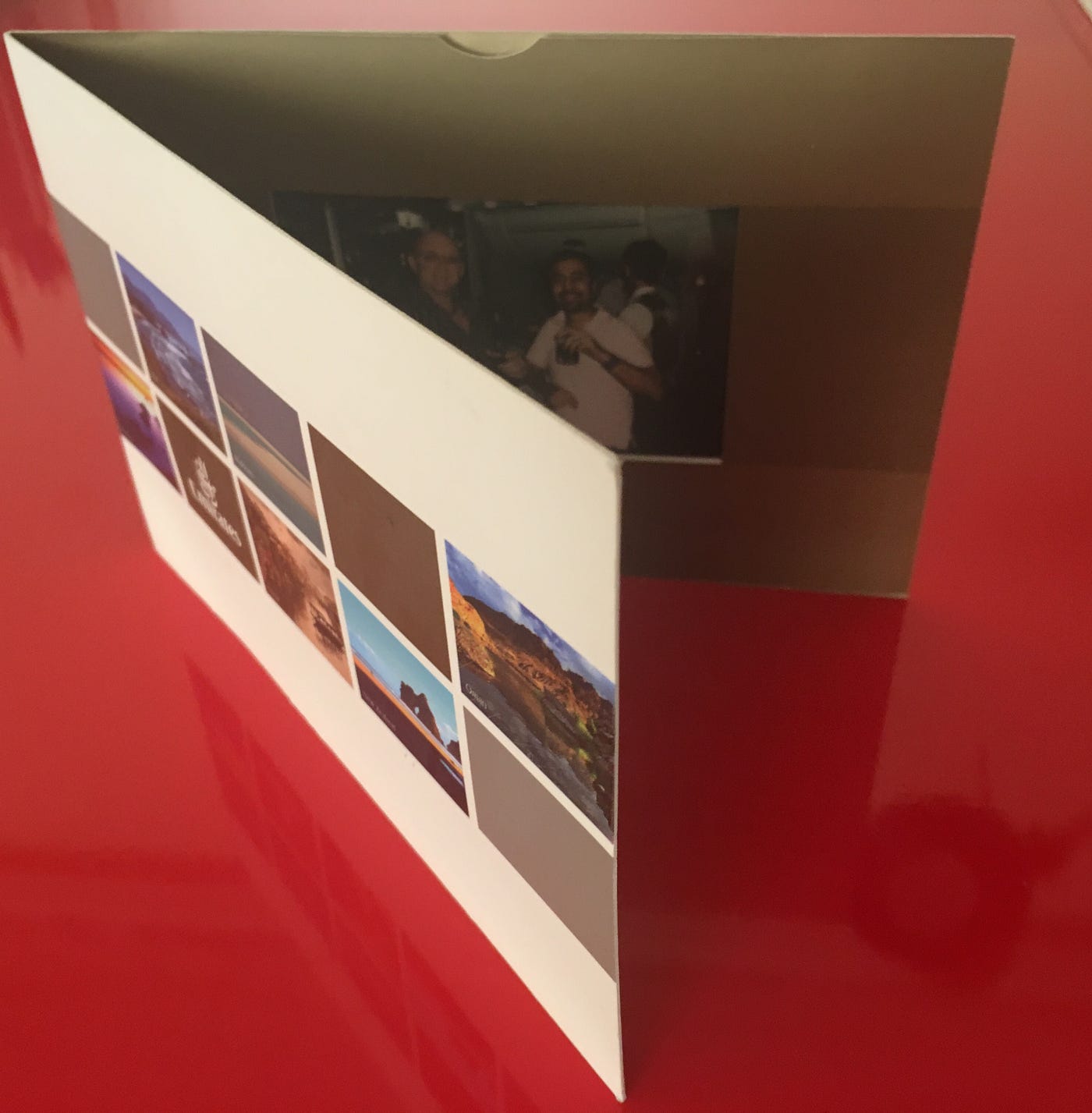
And then towards the end of our flight, a flight attendant came over with a Polaroid camera offering to click a picture of my colleague and myself … which she handed over to us in an Emirates branded photo frame.
Now this became the moment that stayed with the Remembering self. It wasn’t that we really needed a picture, and even if we did we could have used our own mobile phone camera … but it was this surprising, unexpected act that did the trick.
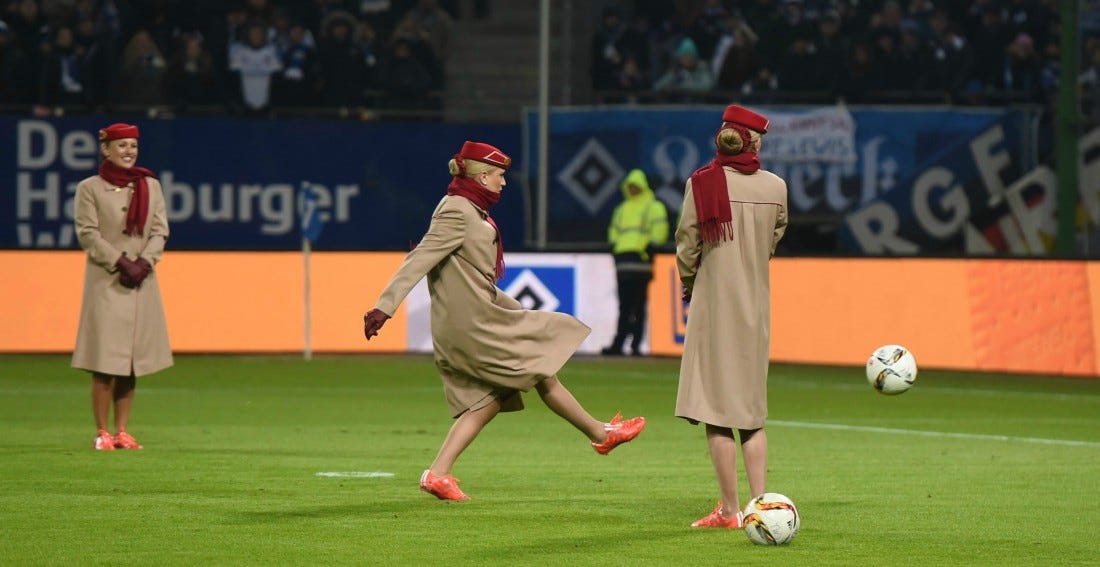
In Mar ‘16, the Emirates cabin crew took to the field in front of 60000 people during a break in the game at Germany’s Volksparkstadion football stadium located in Bahrenfeld, Hamburg doing a safety announcement in the spirit of the football game while also showcasing their kicking skills from the penalty line.
And again last week, they took the centre stage at the US Open Championship in the Arthur Ashe Stadium showing off their tennis skills, giving 8 lucky fans a chance to win free ticket to Dubai.

Of course the fans will have a great time watching the game live in the stadium and depending on whether their player/team wins or loses it will determine how they feel at the end of the game. But acts like these certainly make the brand attributes attractive, enabling marketers to build a strong brand affinity.
And its not about the splash, but the ripples … where an activation becomes a catalyst to drive talkability and helping our customers become great brand storytellers.
Thus it seems the secret ingredient to building brand affinity is to design experiences with a peak and an ‘end’ in mind in order to appeal to this ‘remembering self’.
So as Marketers, let us ask ourselves each time what is it that we want our audiences to retain subsequent to a brand interaction… what will they remember?
Credits: Daniel Kahneman
Images used here have been sourced from google and the rights do not belong to me.